Staying Hydrated Every Day: Beyond the 8 Glasses a Day Myth
You do not need exactly eight glasses of water a day. This guide explains personalized hydration based on your weight and activity, the signs of dehydration, the role of electrolytes, and why coffee, tea, and food all count toward your daily water intake.
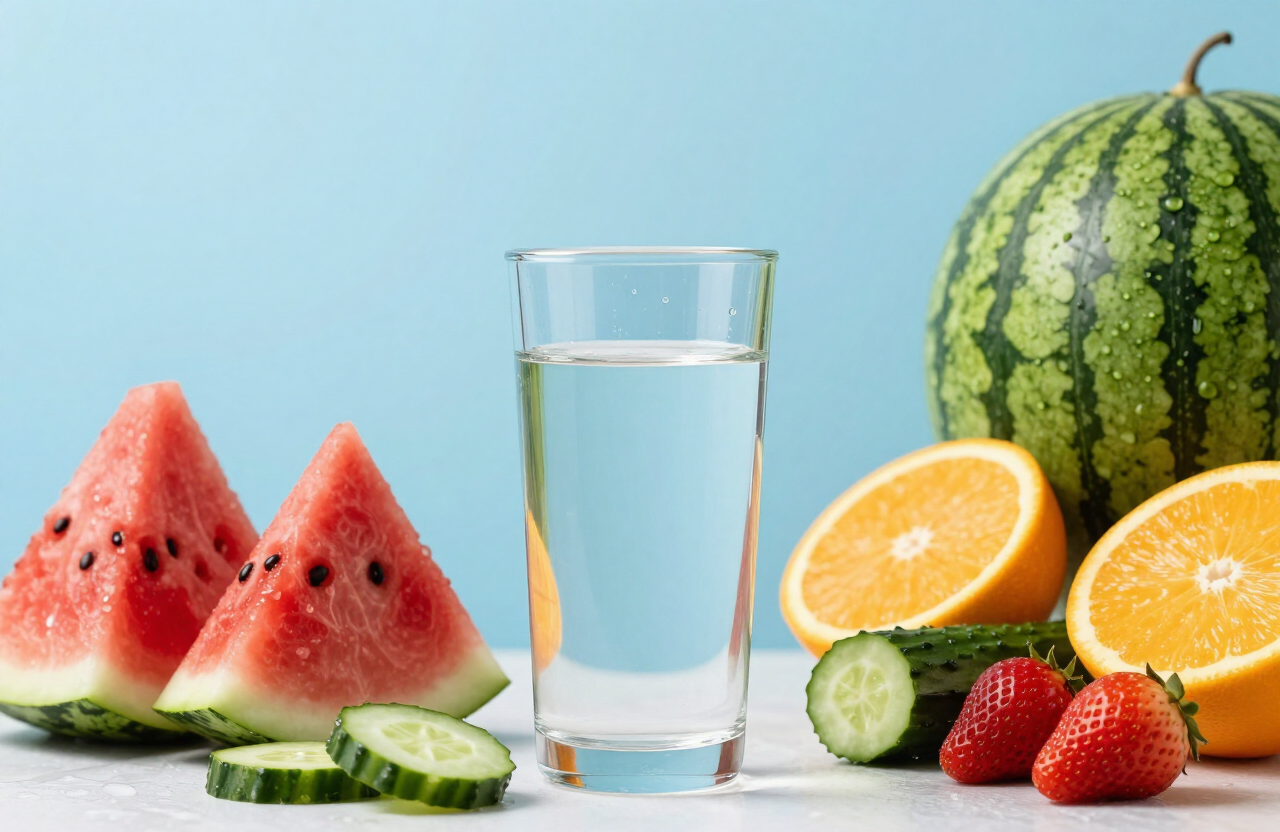
You do not need exactly eight glasses of water a day. Your real hydration needs depend on your body weight, activity level, climate, and diet. A good rule is roughly 30–35 ml of water per kilogram of body weight, adjusted for exercise. Coffee and tea do count toward hydration, and food provides about 20% of your daily water.
The eight-glasses-a-day rule is one of the most persistent health myths. It is simple, memorable, and wrong for almost everyone. A small office worker and a marathon runner clearly need different amounts of fluid. The truth is that hydration is personal — it depends on your size, how much you move, the climate you live in, and even what you eat. This guide moves past the one-size-fits-all rule and shows you how to find your actual hydration target.
How Much Water Do You Really Need?
A widely used starting point is about 30 to 35 milliliters of water per kilogram of body weight per day for sedentary adults. For a 70 kg (154 lb) person, that is roughly 2.1 to 2.5 liters. If you exercise, sweat heavily, or live in a hot climate, you need more — often an extra 400 to 800 ml for every hour of activity.
The U.S. National Academies of Sciences, Engineering, and Medicine recommends about 3.7 liters of total daily water for men and 2.7 liters for women, but that includes water from all beverages and food. About 20% of your daily intake typically comes from food alone.
👉 Use our Free Water Intake Calculator Here to get a personalised daily hydration target based on your weight and activity.
Signs You Are Dehydrated
Thirst is a reliable signal for most people, but by the time you feel thirsty you are already slightly dehydrated. Other signs to watch for:
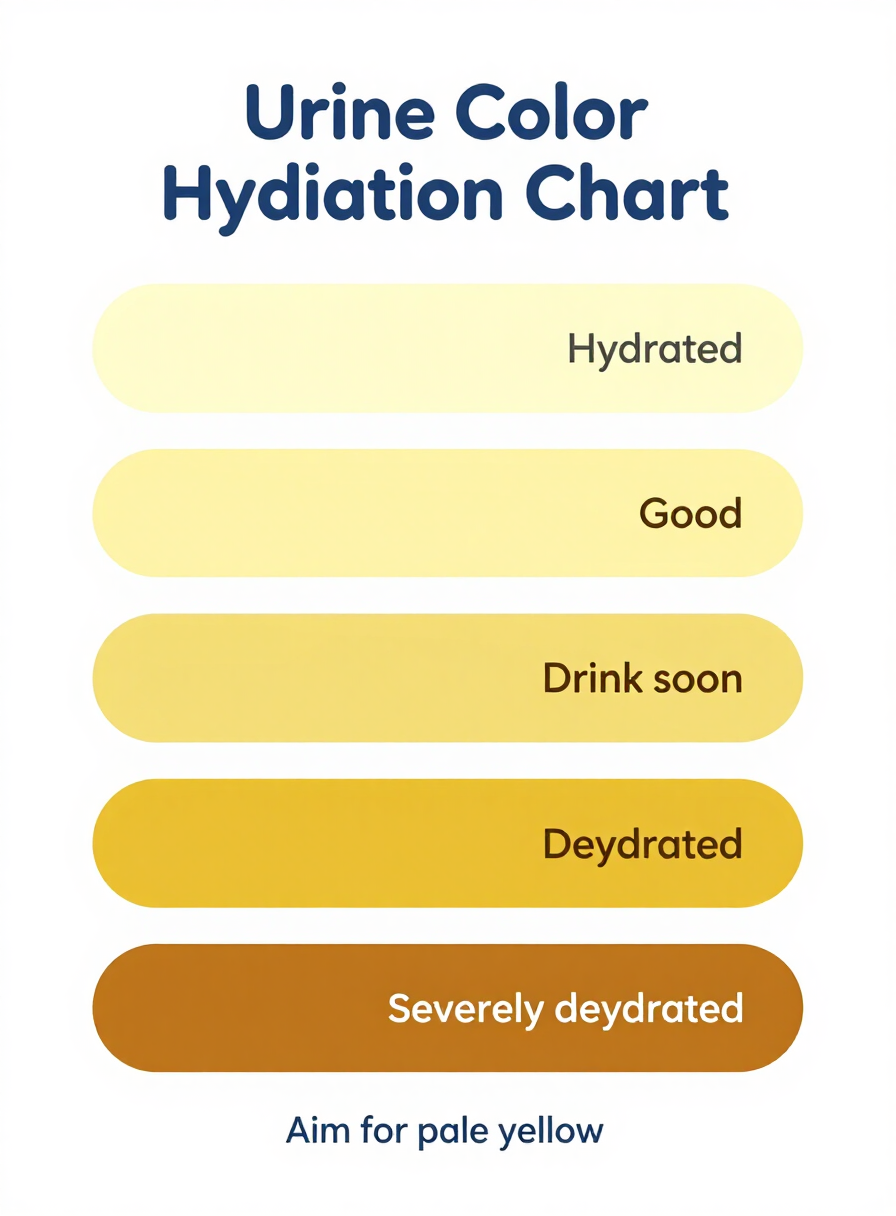
- Dark or strong-smelling urine — the simplest daily check.
- Fatigue, brain fog, or headache — even mild dehydration impairs concentration and energy.
- Dry mouth and lips.
- Dizziness, especially when standing up quickly.
- Reduced exercise performance — a loss of just 2% of body weight in fluid noticeably drops strength and endurance.
Expert Insight
According to the Mayo Clinic, pale yellow or clear urine generally means you are well hydrated, while dark yellow or amber is a sign to drink more. This simple visual check is more useful than counting glasses.
Do Coffee and Tea Count Toward Hydration?
Yes — despite the old belief that caffeine dehydrates you. Coffee and tea are mostly water, and their mild diuretic effect is far smaller than the fluid they provide. Research shows that moderate coffee and tea intake contributes to your daily hydration, not detracts from it. So your morning coffee genuinely counts.
The exception is high doses of caffeine on an empty stomach in people unaccustomed to it, which can have a slightly stronger diuretic effect. For most regular coffee drinkers, this is not a concern.
Electrolytes: Why Water Is Not Always Enough
Drinking plain water is usually enough for everyday life and short workouts. But when you sweat heavily for an hour or more — in intense exercise, heat, or illness — you lose sodium and other electrolytes along with fluid. Replacing only water can dilute your blood sodium, leading to a dangerous condition called hyponatremia.
For sessions over 60–90 minutes, consider a drink with electrolytes (sodium, potassium, magnesium) or add a pinch of salt to your water. After heavy sweating, aim to replace about 125–150% of the fluid you lost over the next few hours.
Important
During prolonged intense exercise, drinking large amounts of plain water without electrolytes can cause exercise-associated hyponatremia. For long endurance events, use an electrolyte-containing drink.
Unexpected Sources of Hydration
Roughly 20% of your daily water comes from food. Many fruits and vegetables are over 80% water and quietly contribute to your hydration:
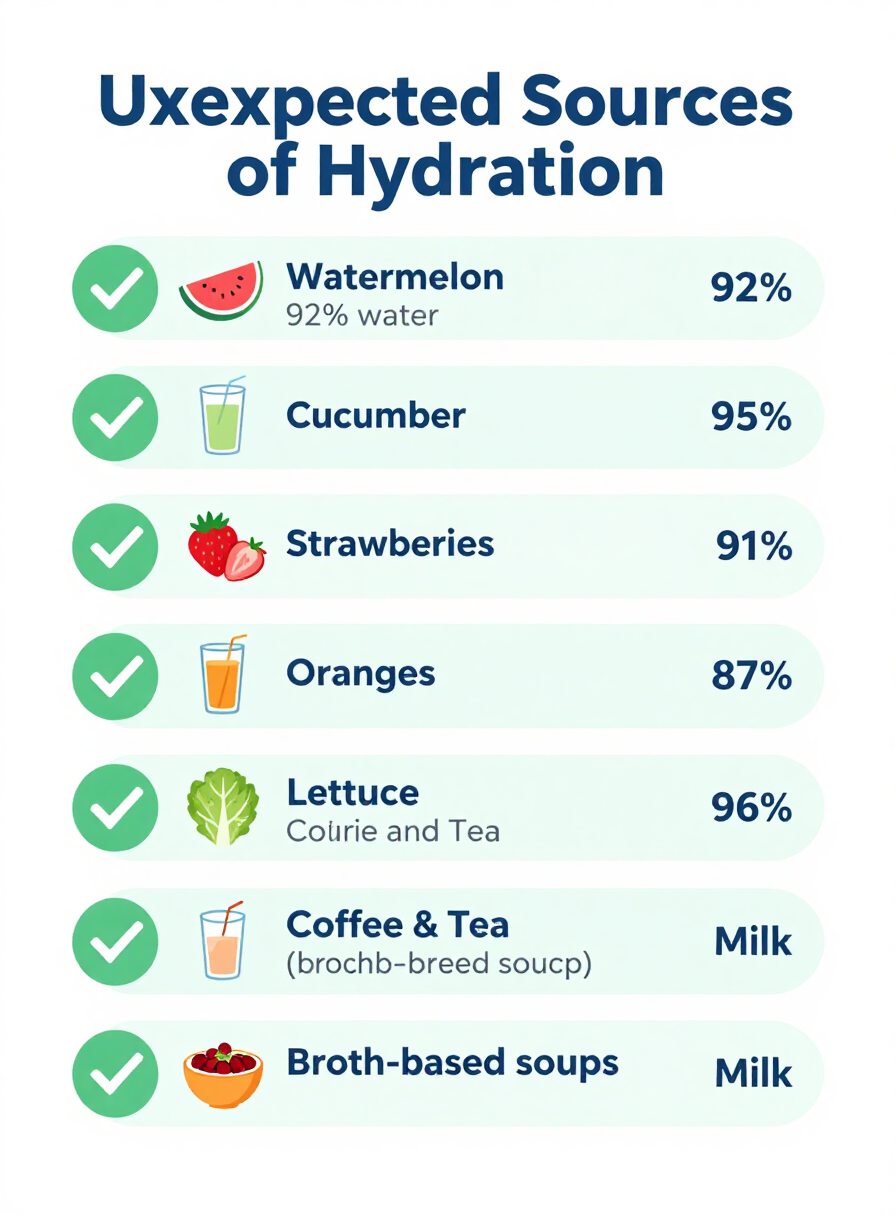
- Watermelon — about 92% water.
- Cucumber — about 95% water.
- Strawberries and oranges — roughly 87–91% water.
- Lettuce and celery — over 95% water.
- Broth-based soups and milk — fluid-rich and hydrating.
How to Build a Simple Hydration Habit
You do not need to obsess over exact milliliters. A few habits cover most people:
- Start the day with a glass of water before coffee.
- Carry a reusable bottle and sip throughout the day.
- Drink with every meal and around workouts.
- Check your urine color occasionally — aim for pale yellow.
- Add electrolytes for long or sweaty sessions.
👉 Use our Free Water Intake Calculator Here to find your personal daily target and make those habits count.
Summary: Hydration Without the Hype
Forget the rigid eight-glasses rule. Your hydration needs are personal — driven by your weight, activity, climate, and diet. Drink to thirst, check your urine color, count coffee and food toward your total, and add electrolytes when you sweat heavily. Find your number with a calculator, build a few simple habits, and you are hydrated for life.
Free, no sign-up. Get a personalised daily hydration target based on your weight and activity level.
Frequently Asked Questions
A good starting point is 30–35 ml per kilogram of body weight, adjusted up for exercise, heat, and sweating. The U.S. National Academies suggest about 3.7 liters for men and 2.7 liters for women from all beverages and food combined.
Yes. Coffee and tea are mostly water, and their mild diuretic effect is smaller than the fluid they provide. Moderate coffee and tea intake contributes to your daily hydration.
Early signs include thirst, dark yellow urine, dry mouth, fatigue, headache, and reduced concentration. A loss of just 2% of body weight in fluid can noticeably impair exercise performance.
Plain water is enough for everyday life and short workouts. For intense exercise or heavy sweating lasting over 60–90 minutes, replace electrolytes (especially sodium) to avoid hyponatremia and support rehydration.
No. The eight-glasses rule is a myth. Your needs depend on your body weight, activity level, climate, and diet. Use a water intake calculator for a personalised target instead.
Sources & Further Reading
- 1.Mayo Clinic. Water: How much should you drink every day?
- 2.U.S. National Academies of Sciences, Engineering, and Medicine. Dietary Reference Intakes for Water, Potassium, and Sodium
- 3.Centers for Disease Control and Prevention (CDC). Healthy Weight, Nutrition, and Physical Activity
- 4.American College of Sports Medicine. Exercise and Fluid Replacement
Disclaimer
Informational, not medical advice
This content is for informational purposes only and is not medical advice. Always consult a healthcare professional before making dietary or lifestyle changes.
Related Articles
Understanding Your BMR (Metabolism)
What is my BMR, and what does it really say about your metabolism? This plain-language guide explains Basal Metabolic Rate, how to calculate BMR, the crucial BMR vs TDEE difference, why your BMR might seem low, and how to raise it — with free calculators to find your own numbers.
Read article NutritionHow Much Protein Do You Need Per Day?
Your daily protein needs depend on your weight, activity level, and goal — not a single universal number. Here is a plain-language guide to how much protein you really need per day, with examples, food tables, and a calculator to find your own target.
Read article NutritionHow Many Calories Should You Eat Per Day?
Your daily calorie needs depend on your age, sex, size, activity, and goal. Here is a plain-language guide to figuring out exactly how many calories you should eat — and how to use that number.
Read article